
Careers in Construction with Ray Martin
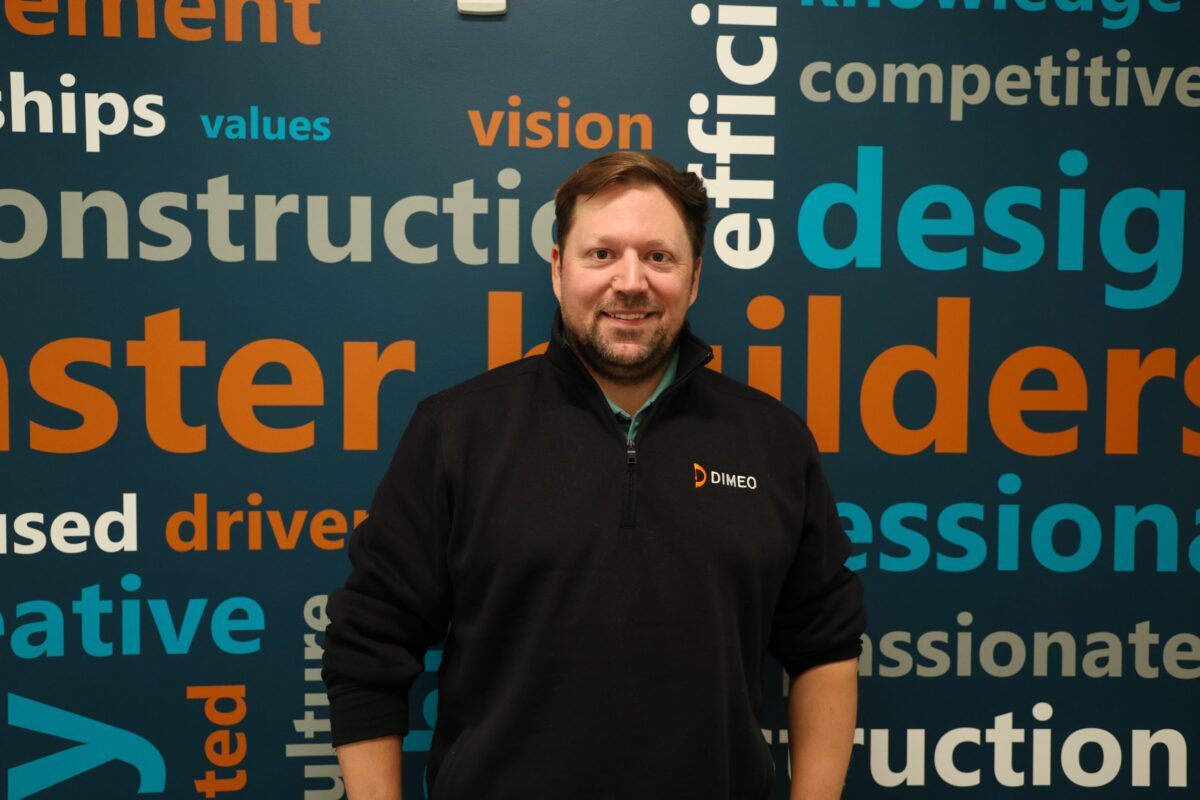
Ray Martin’s path into construction technology was shaped by firsthand experience in the field, where he developed a passion for solving challenges through innovation. In 2009, in the aftermath of the recession, he was hired as a “Small Tools Tracking Assistant,” tasked with visiting every project site to catalog equipment — impact drivers, drills, ladders, lasers, and more. “If you used it on a jobsite, I needed to find it, give it an ID number, barcode it, and log it into ToolWatch,” Ray recalls. Over nine months, he tracked more than $2 million in tools across multiple states, a project that not only revealed his work ethic but also his growing interest in how technology could bring order and efficiency to complex operations.
When his contract ended, Ray transitioned into purchasing and continued managing the tool tracking system. In his downtime, he began troubleshooting IT issues for field teams. “The IT Director eventually realized they hadn’t received a help desk ticket from the yard in months,” Ray says. “When he found out I was taking care of everything, he offered me a position on his help-desk, with a salary and benefits which I happily accepted, although my current boss fought back as he had me slated to get my CDL license and start my career in the yard.”
It was the opportunity that changed everything.
Ray started in the basement — literally. “They put me in a cage with a key to get in and out,” he says, laughing. “I built laptops, swapped memory, set up phones, answered tickets, and learned the basics of IT in that room.” From there, he began to see how technology could transform the construction process. Within a year, he proposed a plan to bring IT support directly to jobsites, combining his technical skills with his field experience.
That initiative would define his career. Over the next several years, Ray supported remote offices and projects across New England and the Mid-Atlantic, logging countless miles while earning his Master’s in Information Technology. “I wanted my work to impact the projects, even in the early stages,” he says. “That connection between technology and the field was where I found purpose.”
The turning point came when Ray joined Dimeo a decade ago. “At the time, I was proud of what I’d accomplished, but ready for the next step,” he says. “Looking back, Dimeo’s Leadership put their trust in a 30-year-old kid with ambition, limited experience, but tremendous passion for this industry. Honestly, a risk they took I can never thank them enough for.”
The first year brought a steep learning curve, but also growth. With support from mentors and colleagues, Ray and his team modernized Dimeo’s technology stack and began building the foundation for the company’s digital transformation. Today, as Chief Technology Officer, Ray leads that evolution, overseeing IT, Virtual Design & Construction (VDC), and innovation strategy.
“As CTO, my number one job is to protect Dimeo’s assets,” he explains. “Cybersecurity will always be the top priority. But we also have to navigate this wave of technology safely, especially with AI. We’ll see automation and robotics on our jobsites and in our offices, not because we want to, but because we have to. My role is to help the company understand how these tools fit within our ecosystem while keeping our data safe and reliable.”
Ray’s leadership philosophy is deeply collaborative. “Technology leadership in a construction environment is all about partnership,” he says. “My expectations and the realities of the jobsite can be very different, so building relationships with project teams is critical. We need to work together from pilot to production to make technology meaningful.”
Under Ray’s guidance, Dimeo has embraced tools that bridge the gap between the office and the field, including cloud-based platforms such as Procore, Join.Build, and continuous improvement groups that promote team-driven innovation. “We’re operating in a connected environment now,” he says. “Ninety percent of our systems are cloud-based. Eliminating disconnected processes has reduced friction and strengthened collaboration across every level of the company.”
Looking ahead, Ray believes the next decade will bring unprecedented transformation. “AI is the technology that will shape construction for generations,” he says. “It’s going to create jobs that don’t exist yet — roles like Construction Data Engineer, AI Project Manager, or Digital Transformation Specialist. It will also help address the labor shortage and redefine how we work.”
For Ray, that future is full of opportunity, especially for those who are just discovering the intersection of construction and technology. “You’d be surprised how many opportunities there are in this industry for people with tech backgrounds,” he says. “If you’re passionate about innovation and want to see your work directly impact the world around you, construction is a place where you can make that happen.”
Careers in Construction with Jeremy Oliveira
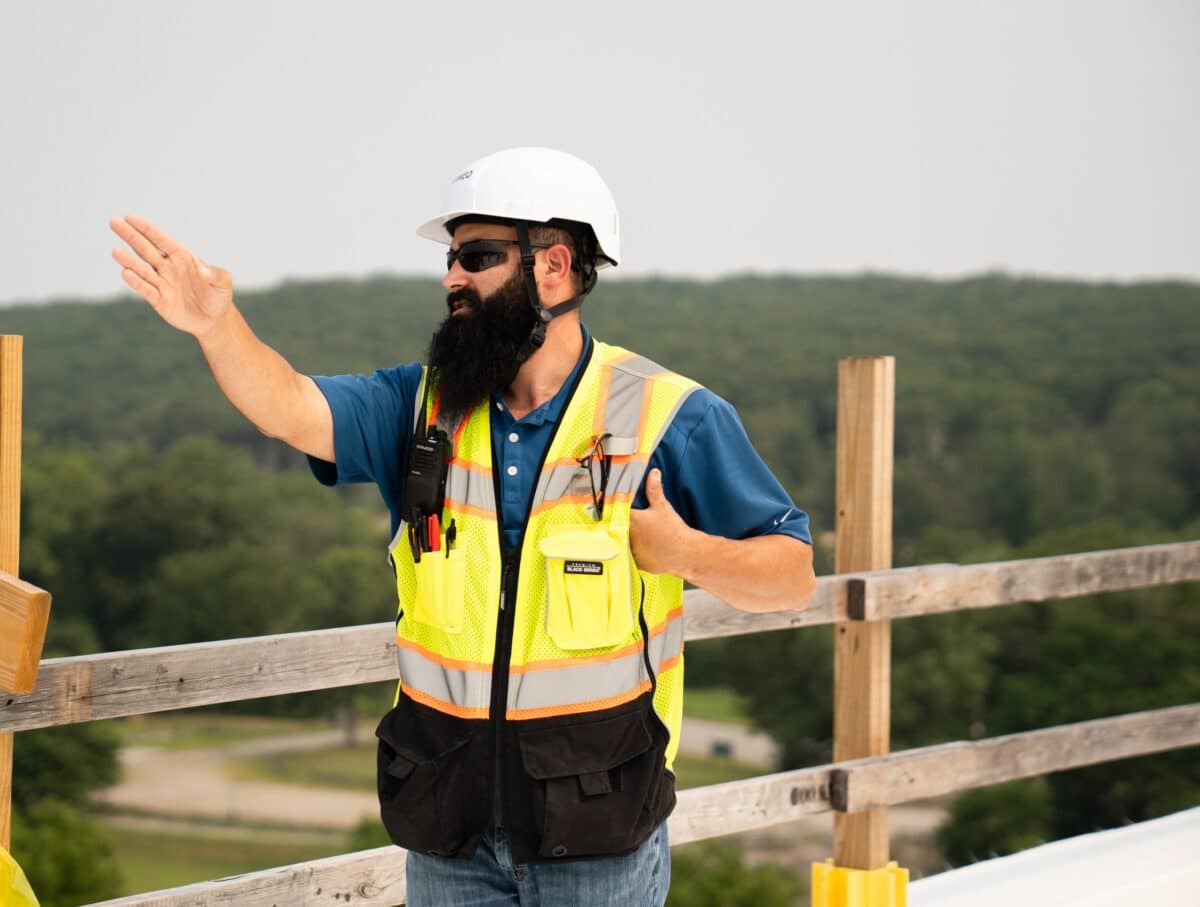
Jeremy’s path to construction started long before his first day on a jobsite. Growing up, he was surrounded by the trades; his father was an electrician, and his uncle worked as a carpenter. This early exposure sparked his interest and provided him with a clear direction. He enrolled in a vocational high school that offered a house-and-mill program, where he gained valuable experience through a co-op placement with a residential builder. This hands-on experience, combined with his desire to keep learning, laid the foundation for a career characterized by craftsmanship, leadership, and growth.
After working with the residential builder throughout high school and college, Jeremy transitioned to the commercial side of the industry, starting as a framer for a drywall contractor. This role eventually led him into project management, significantly broadening his understanding of the construction process.
Nearly nine years ago, Jeremy joined Dimeo as an Assistant Superintendent, bringing with him a foundation built on field experience and a deep understanding of the trades. His commitment to collaboration and quality quickly stood out, earning him opportunities to take on greater responsibility across a variety of projects. Today, as a Superintendent, Jeremy plays a key role in leading teams and coordinating complex field operations from start to finish. He credits communication and planning as the foundation of his leadership approach. “Open communication and pre-planning are the number one priorities,” he says. “When everyone, from the field team to subcontractors, understands the plan and their role in it, that’s when projects succeed.”
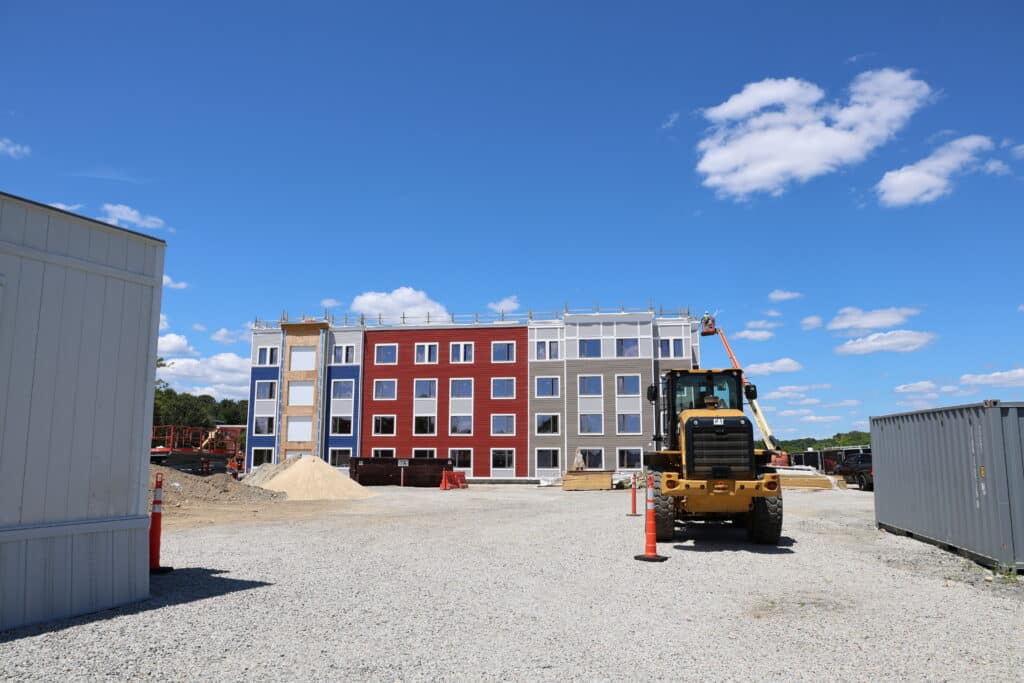

Among his career highlights, Jeremy points to his work on the Citizens Bank Campus project as a pivotal experience. “It was a large build, and I was able to learn and develop multiple skills from a wide range of superintendents,” he says. “That project showed me how strong team dynamics lead to strong project outcomes. There’s no ‘I’ in any of the builds we do; it’s the team that makes the job successful.”
He finds motivation in seeing projects come to life and in the impact they leave behind. “Watching a project evolve from a blank canvas into a completed structure is one of the most rewarding parts of the job,” he says. Jeremy takes pride in knowing that the projects he helps deliver become lasting parts of the communities they serve.
As we recognize Careers in Construction Month, Jeremy encourages others to consider the opportunities this industry offers. “You’re constantly learning and being challenged in new ways,” he says. He notes that no two days are the same, and that the personal and professional growth you gain from building something meaningful every day is unlike anything in any other career.
Careers in Construction with Chrissy Clark
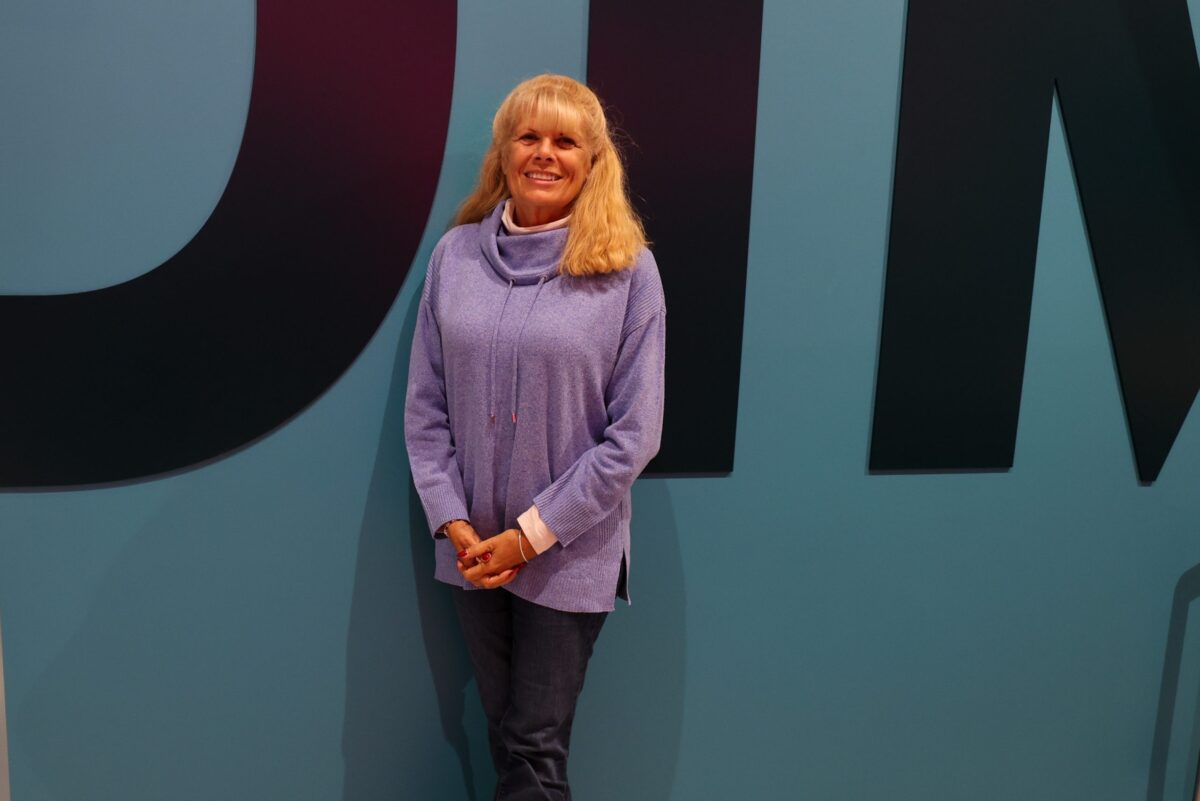
Continuing our Careers in Construction Month series — and in recognition of Construction Inclusion Week — we’re pleased to feature Chrissy Clark, Dimeo’s Manager of Diversity, Equity & Inclusion. Her inspirational leadership contributes to shaping a more inclusive, equitable, and forward-thinking construction industry.
Chrissy didn’t initially set out to build a career in the construction industry, but a former colleague’s recommendation — and the mentorship of a seasoned DEI leader — changed her path entirely. Guided by Carol Fuller, a Director of DEI with over 25 years of experience, she discovered not only a new professional calling but also a personal passion. “From the moment I started, I knew I had found a role that would challenge me and be incredibly rewarding,” she reflects.
That sense of purpose is what drives her every day. With a significant portion of the construction trades workforce nearing retirement, she sees a pivotal moment for the industry to grow more diverse and inclusive. “This generational shift gives us the opportunity to bring more people of color and women into the trades,” she explains. “It’s about helping to create access and opportunity where they’re most needed.”
For Chrissy, DEI in construction is not about meeting quotas or fulfilling compliance goals; it’s about building stronger teams and communities. She emphasizes that inclusion starts with ensuring all workers have the opportunity to thrive, whether on a job site or within a project partnership. “When we bring together a variety of perspectives and experiences, teams become safer, stronger, and more effective,” she says. “We also open doors for subcontractors from underrepresented groups to grow their businesses, take part in meaningful work, and contribute on larger projects, they would not otherwise have the opportunity to participate in.”
The impact of her work becomes most tangible when she sees change firsthand. Recently, Chrissy coordinated upcoming jobsite tours for students in the Building Pathways pre-apprenticeship program, an experience that will introduce them to life on an active construction site. Watching those same students graduate, join unions, and begin their careers in the trades reaffirms why she does this work. “Seeing individuals from underrepresented communities step into these opportunities and start building their futures is incredibly rewarding,” she says.
Construction Inclusion Week serves as a reminder that building strong structures starts with building strong, inclusive teams. “It reinforces Dimeo’s commitment to DEI and ensures that everyone feels seen, heard, and valued,” Chrissy says. But the effort cannot end there. “The engagement and actions of inclusion need to continue year-round to maintain a diverse, equitable culture.”
To her, creating that culture begins with individual action. She believes that inclusion isn’t a program, it’s a practice. “It starts with listening, challenging our own biases, and speaking up when we see exclusion,” she says. “It’s about mentoring others, sharing opportunities, and being intentional about who we include in conversations and collaborations. Inclusion doesn’t just happen, it’s something we all build, together.”
Construction Inclusion Week with Vennicia Kingston
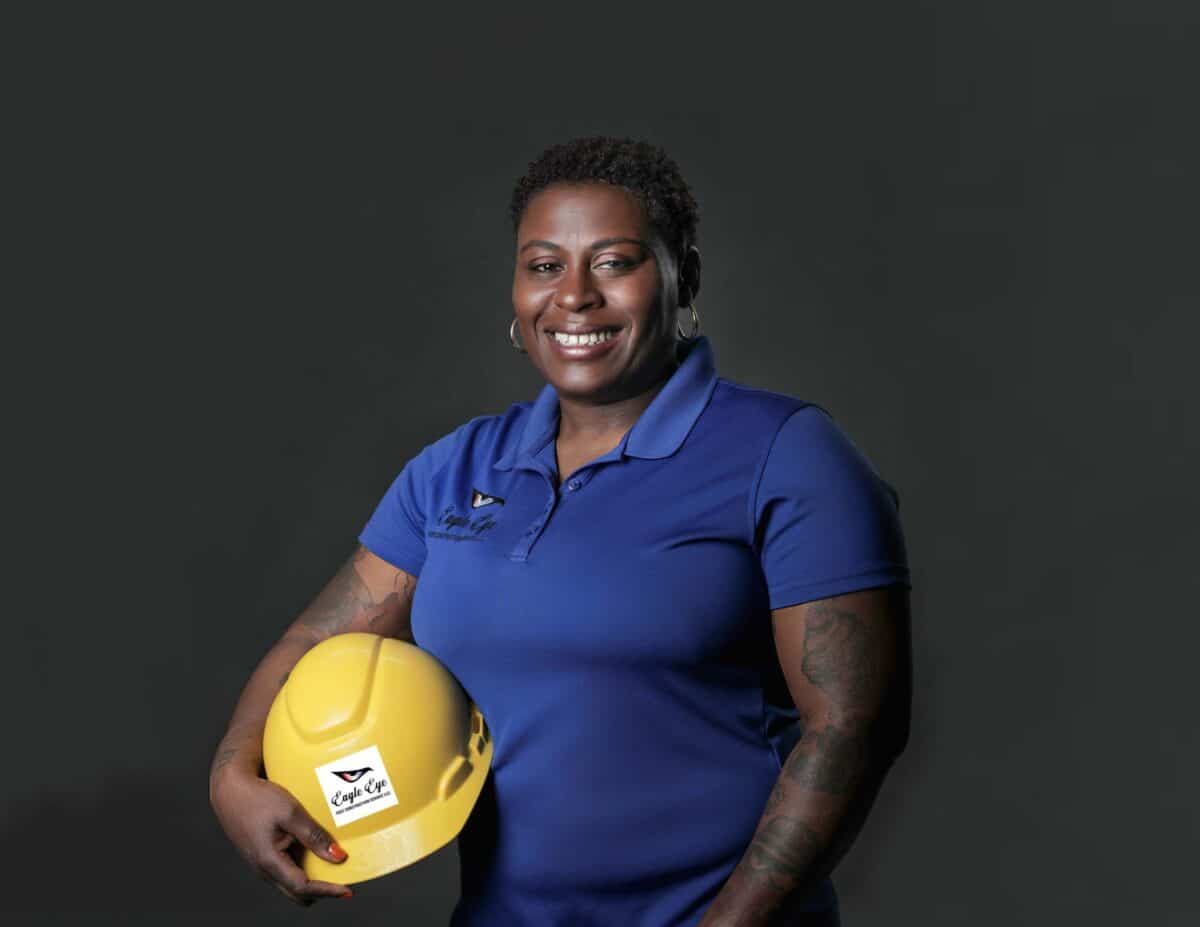
For Vennicia Kingston, owner and president of Eagle Eye Construction Services, the grit, the dirt, and the hands-on journey are all parts of her story. As a minority and woman-owned business owner in Rhode Island, Kingston is helping to change what leadership in construction looks like.
Her path to entrepreneurship began in 2010, when she discovered Building Futures, a local initiative that connects people to careers in the trades. Upon graduating from the program, she was accepted into the Laborers Local 271 and began her apprenticeship on the bridge project in Pawtucket, RI. “I didn’t know much about construction going in,” she recalls. “I just knew I wanted to own properties and be able to do repairs on my own homes. But being out there in the dirt made me fall in love with the industry.”
Kingston worked in the field for several years, learning every aspect of the trade. She gained technical skills and a deep appreciation for the hard work and teamwork that drive the industry. In 2014, an on-site injury changed the course of her life. “That’s when I decided I needed to start using my brain instead of my body,” she said. It was a point that led her to consider how she could continue in construction in a new way.
In 2018, Kingston founded Eagle Eye Construction Services. The company began with small post-construction cleaning contracts and selective demolition projects. Her first union contract came around 2020, cleaning trailers two nights a week in East Providence, Rhode Island. “Those early days were tough. There were a lot of peanut butter and jelly sandwiches,” she said with a smile. “I was able to foster and build relationships by putting myself out there and making sure I showed up in certain rooms, shook hands, and let people know Eagle Eye existed and what we were about.”
Her persistence paid off. Eagle Eye began winning larger contracts, including the Rhode Island State Health Lab project in Providence, Rhode Island, the largest project to date for Kingston. “It pushed me to see how far I could go. Now that I know what I can handle, I’m ready for more.”
Kingston is always looking to expand and has ideas, including interim cleaning, portable restrooms, carpentry, and drywall, among others. “I don’t want Eagle Eye to be brought in just for the final clean,” she explains. “I want us to be involved through the project.”
Despite her success, Kingston is clear-eyed about the challenges that minority and women-owned businesses still face. Access to capital was one of the most significant hurdles to overcome in the early stages. Organizations such as the Rhode Island Black Business Association, the Rhode Island Women’s Council, and the Building Trades Council helped her navigate those barriers through small grants, loans, and mentorship. “Having people like Michael Sabatoni and Scott Duhamel stand by me and say, ‘She’s solid’ made a big difference.”
Today, as she expands her company, she is also advocating for more inclusive opportunities in the industry. “We need to be more creative about how we structure contracts,” she said. “If a small business can’t handle a whole project, maybe we can take on a portion. Maybe I can’t do ten floors, but I can do two. We need to find ways to make it work instead of saying it can’t.”
Through Eagle Eye, Kingston also works to create opportunities for people who might otherwise be left out. She often hires young mothers who find it difficult to make early job start times because most childcare programs don’t open until after 7 a.m. By giving them flexible opportunities and introducing them to union work when they’re ready, she helps them gain stability and access to benefits that can be life-changing. “When I got into the union, my pay doubled, and within a year and a half, I was able to buy my first home,” she said. “I know what that can mean for someone’s future.”
Kingston’s vision is to build a reliable, professional team that shares her values and commitment. “When contractors think about cleaning, site support, or selective demo, I want Eagle Eye to be the first name they think of.” The drive behind this is to create a “home” for her employees. “In the trades, you’re often bouncing from job to job, the job ends, you’re laid off, you’re at another company. It’s always nice when you have a home, when you know from year to year you’re going to be working. You can plan for your family, your life.”
Her motivation runs deep. “I’m my toughest critic,” Kingston said. “Now that this ball has been picked up, I’m such a stickler about making sure I don’t drop it. I feel like a lot of eyes are on me, my family, my employees, and their families—they depend on me. That’s my responsibility. I can’t drop the ball.”
Kingston has also become a role model for others, even if that wasn’t her original goal. “I didn’t think of myself as a mentor, but I know a lot of people look at what I’m doing and feel inspired,” she said. “They see me and realize there’s more they can do beyond working in the field.” She’s seen former colleagues start their own businesses or transition into roles in safety and compliance, inspired by her example.
For Kingston, success is not just about contracts and revenue; it’s about community and representation. When young women find out that I own a business and go ‘Hey, how can I come and work for you?’ that’s what I love, that’s what makes me feel good.” She’s helping shape a construction industry where everyone has the chance to belong and succeed.
Careers in Construction with Megan Belfiore
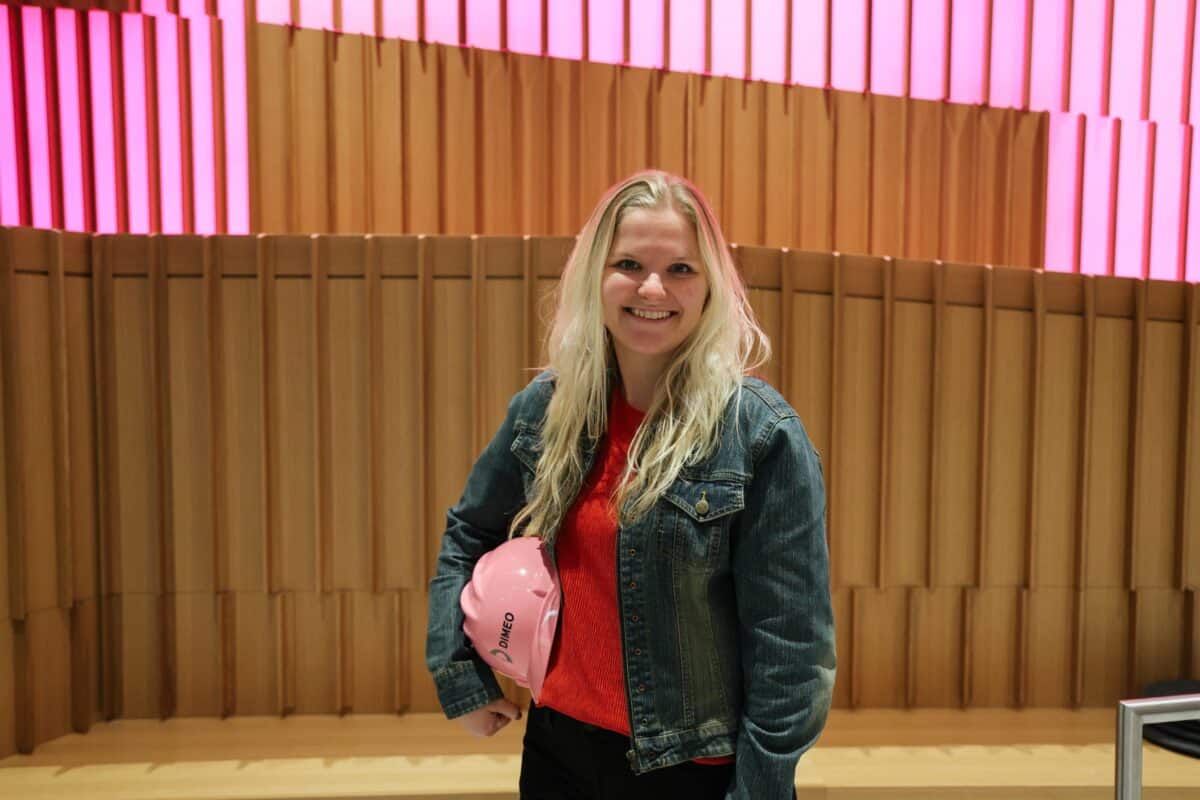
As part of Careers in Construction Month, we’re highlighting the many career paths that make up our industry, starting with our Brand Marketing Manager, Megan Belfiore.
In her role, Megan oversees Dimeo’s corporate brand identity, ensuring that every touchpoint — from the scrim on our job sites to our digital presence — reflects who we are and the people behind our projects. Day to day, she works across a wide range of print and digital collateral, including our website, social media, internal communications, presentations, and business materials. She also collaborates closely with colleagues across departments and in the field to ensure every project and service is marketed with intention and consistency.
Megan describes her work as giving life to Dimeo’s story: “The best parts of working for and with Dimeo would remain a secret without the work of our Marketing and Business Development team,” she says. “I love that it’s my job to share that with the world.”
Since joining Dimeo five years ago, Megan has seen firsthand how collaboration, creativity, and innovation come together to build something great, both in the field and behind the scenes. She’s developed a deep appreciation for what it takes to deliver a successful project, explaining that she has “never worked with a more passionate and hardworking group of people” and that “everyone here truly cares about doing their absolute best work for our clients, Dimeo, and each other.”
Her passion for visual communication has been the foundation of her career. Megan has always been fascinated by the way people respond to what they see, from advertisements and billboards to digital media. “In my position, I influence and shape the visual brand identity of a company I care so much about and truly believe in,” she shares. “My hope is to inspire others to see what I see, feel what I feel, and believe in us as much as I do.”
When it comes to the future of marketing in construction, Megan sees endless opportunity. She notes that the industry and market are always evolving, which means there will always be new creative opportunities to explore. “I’ve seen our marketing strategy grow and adapt over my first five years in the industry,” she says, “and I’m excited to see where we’ll go in the future.”
Creative, challenging, and rewarding are the three words Megan uses to describe her career, and they perfectly capture what it means to grow within the construction industry.